AI Revolution: O Futuro do Trabalho em 2027
Este artigo explora como a Inteligência Artificial está transformando o mercado de trabalho em 2027, abordando desafios e oportunidades que surgem neste cenário.
Principais Conclusões
- A IA está redefinindo o conceito de trabalho convencional.
- Novas habilidades serão essenciais para se destacar no mercado.
- A automação pode trazer eficiência, mas também desafios éticos.
The Rise of Employer AI: Revolutionizing the Workforce of 2027
As we navigate through the transformative landscape of the job market in 2027, one of the most significant developments has been the advent of Employer AI. This revolutionary technology is reshaping the way companies hire, manage, and interact with their workforce. With advanced generative AI, immersive training formats, and a global remote work culture, organizations are now equipped to optimize their human resources like never before.
What is Employer AI?
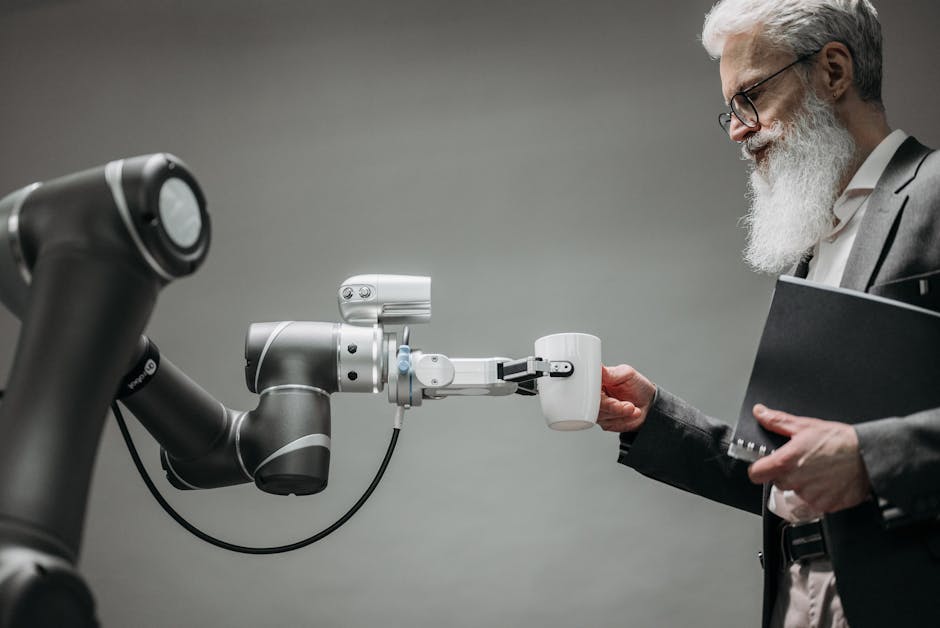
Employer AI refers to artificial intelligence systems that assist in various HR functions, from recruitment and onboarding to employee engagement and performance tracking. These AI tools analyze vast datasets to provide insights and recommendations that are tailored to both employers and employees.
Key Features of Employer AI:
- Automation of Recruitment Processes: Sourcing and screening candidates through sophisticated algorithms that assess skills and cultural fit.
- Predictive Analytics: Forecasting employee performance and retention based on behavioral data.
- Personalized Training Programs: Implementing customized learning paths through immersive technologies such as VR and AR.
- Employee Well-being Monitoring: Using AI to gather insights on employee morale and recommending interventions as necessary.
Current Trends in Employer AI
The integration of Employer AI has resulted in groundbreaking trends that are shaping the modern workplace:
- Data-Driven Decision Making: Companies utilize AI algorithms to analyze workforce trends and drive strategic decisions.
- Remote Work Optimization: With a rise in global remote teams, AI facilitates communication and performance monitoring across locations.
- Continuous Learning Cultures: AI-driven platforms offer ongoing training that adapts to the evolving needs of employees and industry shifts.
- Enhanced Diversity Initiatives: Employer AI helps to eliminate biases in hiring processes, promoting a more inclusive workforce.
Challenges and Ethical Considerations
While the benefits of Employer AI are remarkable, several challenges must be addressed:
| Challenge | Description |
|---|---|
| Bias in Algorithms | Ensuring AI systems do not perpetuate or amplify existing biases in hiring practices. |
| Data Privacy | Safeguarding employee data while utilizing it for analytics and performance assessments. |
| Job Displacement Concerns | Balancing automation with human roles to prevent an over-reliance on AI technology. |
The Future of Work in 2027
As we move further into 2027, the implications of Employer AI on the labor market are profound. Companies must adapt to harness these technologies effectively while addressing ethical implications.
Key Predictions:
- Hybrid Work Models: The majority of organizations will adopt a hybrid work model that combines remote and in-office settings efficiently supported by AI analytics.
- AI-Driven Talent Acquisition: Recruitment will become fully automated with sophisticated AI tools providing real-time industry insights.
- Global Talent Pools: Organizations will hire talent from around the world, embracing cultural diversity and varied time zones, facilitated by AI communication tools.
For insights on how to implement these trends in your organization, consider exploring Nossos Cursos, which covers the latest in workforce technologies.

Frequently Asked Questions (FAQ)
1. What is the main benefit of using Employer AI?
Employer AI streamlines HR processes, enhancing efficiency and effectiveness in hiring and managing employees.
2. How can companies ensure ethical use of AI in recruitment?
Organizations must regularly audit their AI algorithms for bias and ensure transparency in how they utilize employee data.
3. Will Employer AI replace human jobs?
While some roles may be automated, Employer AI is designed to complement human workers by enhancing productivity and job satisfaction.
Conclusion
As we embrace the era of Employer AI, businesses must take an innovative approach to integrate these technologies into their HR practices. By understanding the implications and potential of Employer AI, organizations can thrive in an ever-evolving market. The future of work is here; it's time to leverage AI to create a more dynamic and inclusive workforce.
Ready to explore how Employer AI can transform your business? Reach out to us today and start your journey towards an innovative workplace!
Quer aprender a criar plataformas como esta?
Junte-se à Imersão Completa e domine o desenvolvimento web, apps e IA.
Começar a Imersão