
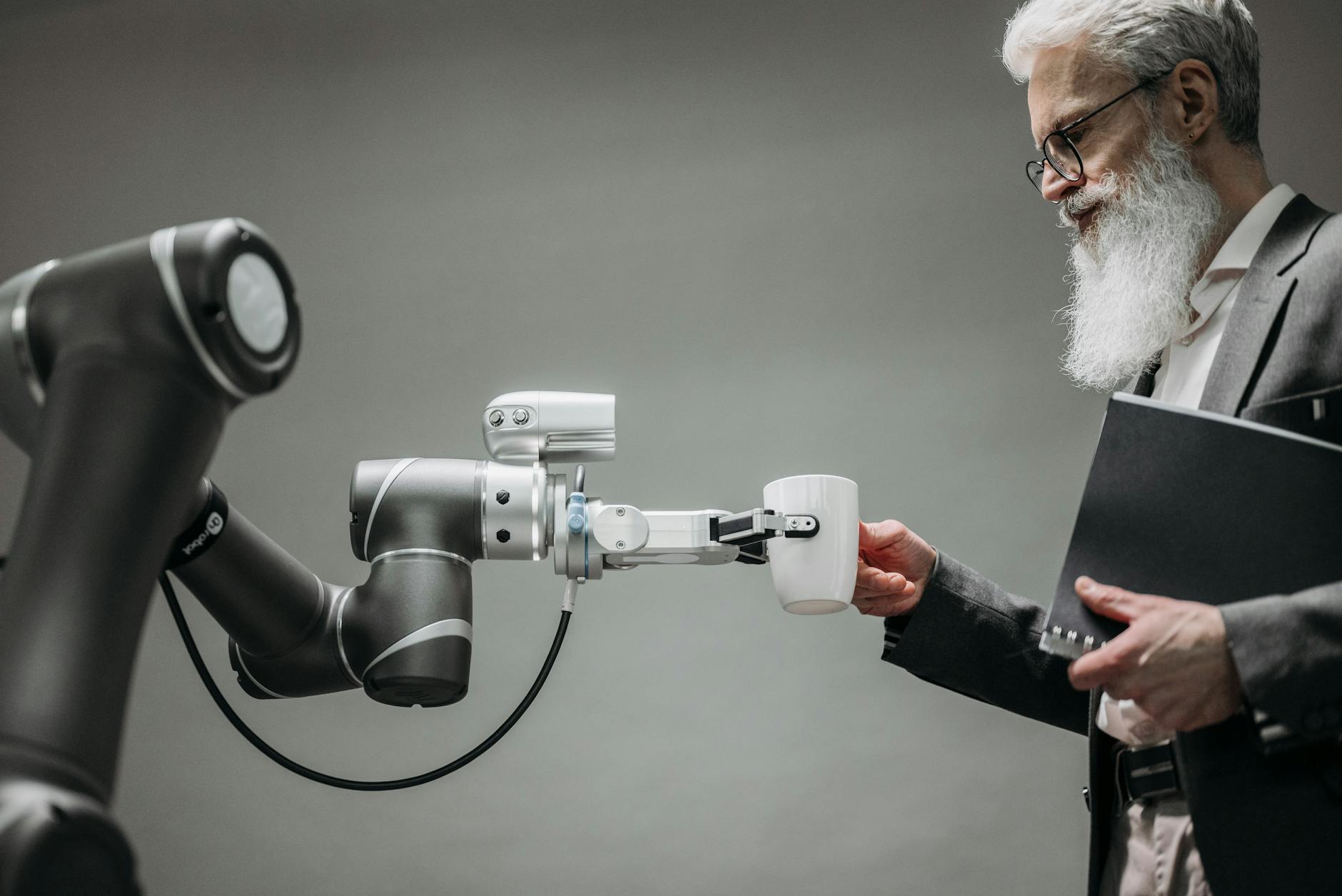
Como a IA Está Transformando a Automação em 2027
Explore a evolução da automação com a inteligência artificial e suas implicações no mercado de trabalho em 2027.
Principais Conclusões
- A IA está aumentando a eficiência na automação industrial.
- O mercado de trabalho está se adaptando a novas habilidades exigidas pela automação inteligente.
- A transformação digital continua a ser uma prioridade nas empresas em 2027.
The Revolution of Artificial Intelligence in Automation
As we stand at the forefront of 2027, the world has undergone a radical transformation bolstered by advanced generative AI. Organizations across various sectors are leveraging this cutting-edge technology to streamline processes, enhance productivity, and evolve their business models. The integration of artificial intelligence (AI) into automation isn't just a trend—it's a paradigm shift that promises to redefine the landscape of work and efficiency.
How AI Enhances Automation
Artificial Intelligence serves as the backbone for a myriad of automation techniques. Here are some significant areas where AI is making waves:
- Robotic Process Automation (RPA): Improved efficiency in repetitive tasks.
- Natural Language Processing (NLP): Enhancing customer service through chatbots.
- Predictive Analytics: Anticipating market trends and consumer behavior.
- Smart Manufacturing: Streamlining production lines with AI-driven machinery.
- Autonomous Systems: Self-driving vehicles and drones using deep learning algorithms.
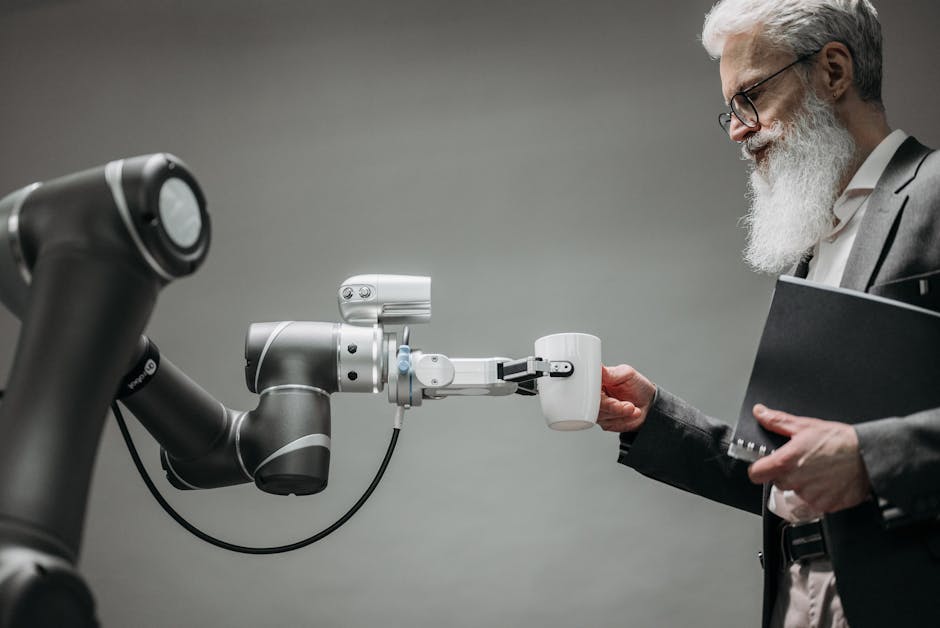
Trends Shaping AI-driven Automation
- Greater Integration with IoT: The convergence of AI with the Internet of Things (IoT) is enabling sophisticated data collection and insights, making smart homes and cities a reality.
- Decentralized AI Models: Federated Learning allows data to stay local while still benefiting from global AI advancements. This creates enhanced privacy and security.
- Hyper-Personalization: With AI, businesses can tailor their services to individual preferences, improving customer satisfaction and engagement.
- Enhanced Predictive Maintenance: Industries are adopting AI to foresee machinery failures and schedule maintenance proactively, reducing downtime.
- AI Ethics and Governance: As AI grows, so do concerns about bias and ethical usage. Companies are now focusing on creating transparent and fair algorithms.
The Impact of AI Automation on Workforce Dynamics
While AI adoption in automation brings benefits, it also poses challenges related to jobs and workforce dynamics. Here’s how the market is responding:
| Challenge | Strategy | Outcome |
|---|---|---|
| Job Displacement | Reskilling and Upskilling | Workforce equipped for new roles |
| Skills Gap | Focus on STEM Education | More professionals in tech roles |
| Employee Resistance | Change Management Initiatives | Increased employee buy-in |
AI Tools for Automation
Here’s a selection of notable AI-powered automation tools revolutionizing various industries:
- UiPath: Industry leader in RPA, enabling businesses to automate repetitive tasks.
- Zapier: Integrates applications to automate workflows without needing programming knowledge.
- IBM Watson: Provides AI tools for data analysis, natural language processing, and more.
- Blue Prism: Another major player in the RPA field, emphasizing robust security features.
For more on AI tools, consider visiting Gartner for their latest reviews.
The Future of AI in Automation
Looking ahead, the trajectory of AI in automation is a towering force driving change. Here are some predictions for the next five years:
- AI will further democratize automation, making it accessible to smaller businesses.
- There will be a rise in hybrid automated models combining human intelligence with machine efficiency.
- Regulations and frameworks will develop to combat AI bias and ensure ethical standards.
FAQ
Q1: How is AI impacting job creation?
A1: While some roles may be automated, AI is also leading to the creation of new positions focused on managing AI technologies and offering enhanced services.
Q2: What industries are seeing the highest adoption of AI automation?
A2: Industries such as healthcare, finance, manufacturing, and customer service are leaders in adopting AI-driven automation practices.
Q3: How can my business start incorporating AI automation?
A3: Begin by identifying repetitive tasks, researching suitable AI tools, and investing in employee training to ensure smooth integration.
Conclusion
The integration of artificial intelligence in automation is not just enhancing productivity but also redefining the very essence of how businesses operate. As we move into 2027, embracing AI solutions will be crucial for staying competitive. Take the leap now and explore our courses to empower yourself with the skills needed in this AI-driven era.
Don’t get left behind—transform your operations with AI automation today!
Quer aprender a criar plataformas como esta?
Junte-se à Imersão Completa e domine o desenvolvimento web, apps e IA.
Começar a Imersão