
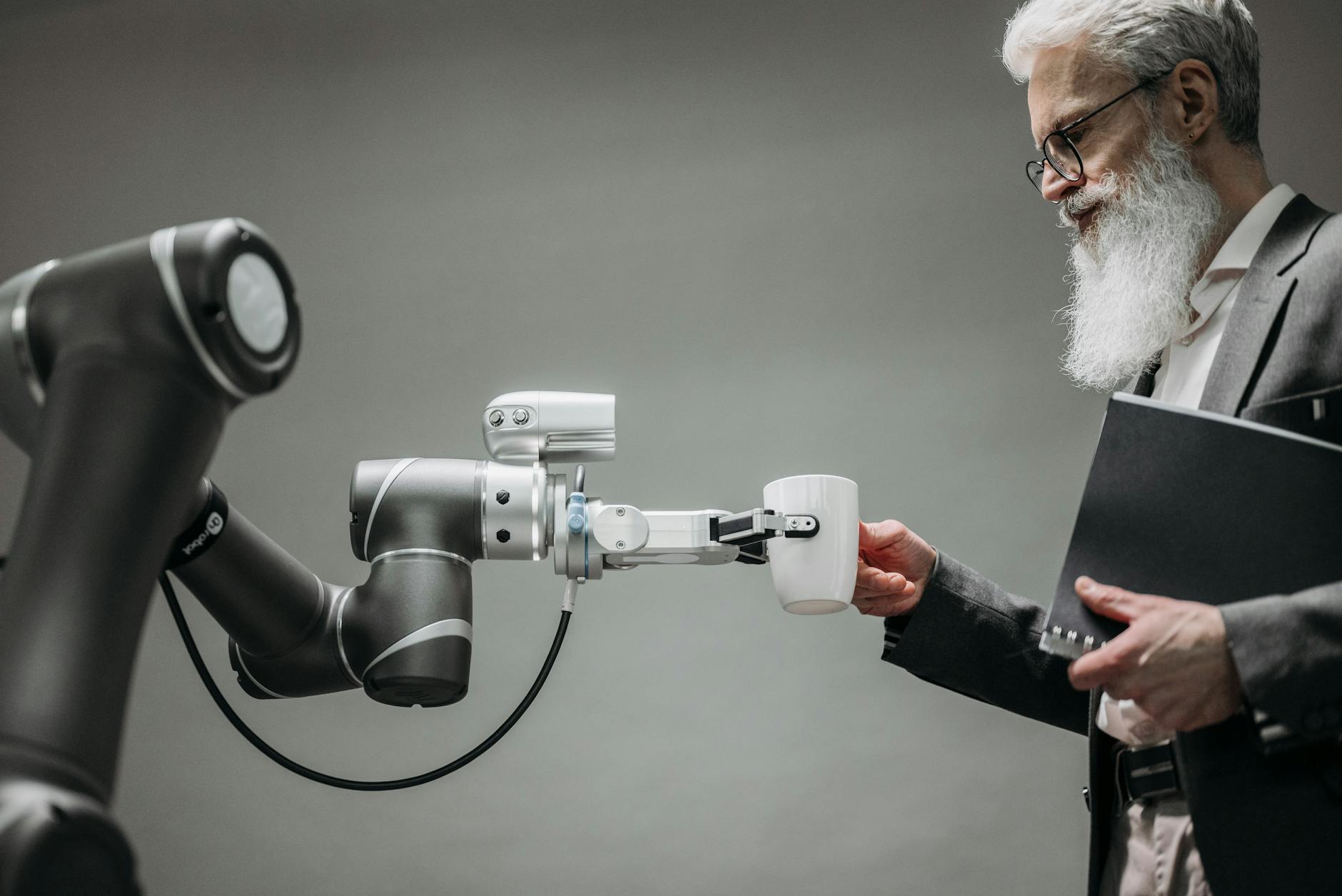
Como a Inteligência Artificial Está Transformando Empregos em 2027
Explore o impacto da Inteligência Artificial nas profissões de 2027 e como se adaptar a essas mudanças.
Principais Conclusões
- A IA está criando novas oportunidades de emprego.
- É vital atualizar habilidades para acompanhar as mudanças.
- As tecnologias emergentes estão redefinindo profissões tradicionais.
The Future of Jobs in the Age of Artificial Intelligence in 2027
As we step into 2027, the landscape of the job market has undergone a radical transformation, driven largely by advancements in artificial intelligence (AI). From automated processes to intelligent systems that predict workforce needs, AI is reshaping how we work, communicate, and learn. In this article, we will explore the impact of AI on jobs, the types of employment that have emerged, and how individuals can adapt to this rapidly evolving paradigm.
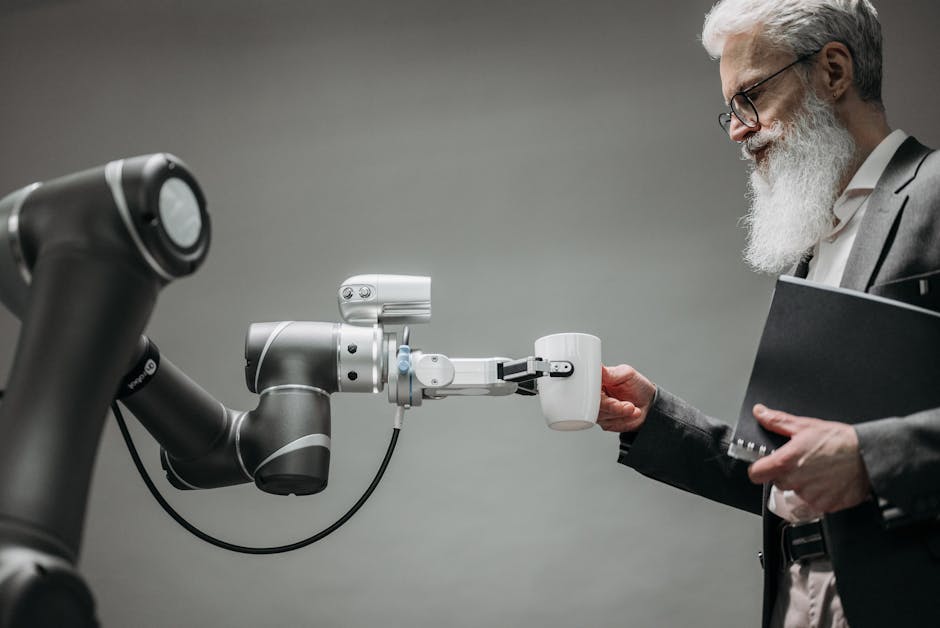
The Current Job Landscape in 2027
In 2027, the connection between AI and employment is more significant than ever. Here are some key trends currently influencing the job market:
-
Automation of Routine Tasks: Many jobs that involve repetitive tasks have seen a significant reduction in demand as AI systems can perform these tasks more efficiently.
-
Emergence of New Roles: New job categories have arisen, focusing on AI oversight, data management, and ethics in technology. Roles like AI Ethicist, Data Curator, and AI Interaction Designer are now essential in many industries.
-
Remote Work as the Norm: The pandemic accelerated the shift toward remote work, and by 2027, it has become a standard practice across various sectors, enabling global talent collaboration.
Job Categories Most Affected by AI
With the integration of AI technologies, here’s how specific sectors are being altered:
1. Technology and IT:
- AI Developers and Engineers: Focus on creating and refining AI applications.
- Cybersecurity Analysts: Protect data and systems from AI-driven cyber threats.
2. Healthcare:
- Telehealth Specialists: Provide care remotely with AI-assisted tools.
- Healthcare Data Analysts: Interpret data to improve patient outcomes.
3. Manufacturing:
- Robotics Technicians: Maintain and repair automated machinery.
- Supply Chain Analysts: Utilize AI for efficient inventory management.
4. Education:
- EdTech Innovators: Develop impactful AI-based learning tools.
- Personalized Learning Facilitators: Guide students in AI-driven learning environments.
Adaptation Strategies for Job Seekers
As the job landscape changes, individuals must adapt to remain competitive. Here are strategies to thrive in this new era:
- Continuous Learning: Embrace lifelong learning through platforms that offer courses tailored to future job requirements, such as Nossos Cursos and Coursera.
- Skill Diversification: Develop a diverse skill set that includes both technical skills (like programming) and soft skills (like communication and leadership).
- Networking: Engage with professionals in your field and participate in industry-specific meetups to stay informed on trends and opportunities.
The Role of AI in Job Creation
While many jobs are being automated, AI is also a catalyst for job creation. It is projected that emerging sectors will create millions of new jobs:
| Sector | Projected Jobs Created | Description |
|---|---|---|
| Renewable Energy | 1.5 million | Roles in solar and wind technology |
| AI and Robotics | 3 million | Engineers, technicians, and ethicists |
| Healthcare | 2 million | Telemedicine and health analytics |
| Cybersecurity | 700,000 | Protecting data in a digital world |
Conclusion
As we look forward, the impact of artificial intelligence on employment is profound and multifaceted. While some traditional jobs may vanish, the future holds immense potential for innovation and new career paths. By embracing technology and cultivating new skills, job seekers can thrive in this AI-driven world.
Are you ready to take the next step in your career? Explore innovative learning opportunities and prepare for the future with us!
FAQ
1. Will AI completely replace human jobs? No, while AI will automate certain roles, it will also create new positions that require human oversight, creativity, and emotional intelligence.
2. What skills should I focus on to remain competitive in 2027? Focusing on technical skills related to AI, data analysis, and soft skills like problem-solving and adaptability will keep you competitive.
3. How can I keep up with changes in the job market? Engaging in continuous education, networking with industry professionals, and staying informed about technological advancements are key strategies.
For more information, check out our resources on Nossos Cursos and latest trends in AI job opportunities.
Quer aprender a criar plataformas como esta?
Junte-se à Imersão Completa e domine o desenvolvimento web, apps e IA.
Começar a Imersão